
Medical Office Cleaning Services: 5 Questions to Ask Before You Sign a Contract
![[HERO] Medical Office Cleaning Services: 5 Questions to Ask Before You Sign a Contract](https://cdn.marblism.com/UQgo-d1v-xL.webp)
Choosing the wrong medical office cleaning service puts your patients at risk, damages your reputation, and creates regulatory headaches. Medical facilities in Bergen County, Passaic County, and Hudson County face strict sanitation standards that generic cleaning companies cannot meet.
The stakes are higher in healthcare environments. A single missed disinfection protocol can lead to healthcare-associated infections, compliance violations, and lost patient trust.
This guide walks you through the five critical questions every medical practice, dental office, and healthcare facility must ask before signing a cleaning contract. These questions separate qualified medical cleaning specialists from standard janitorial services that lack the expertise your facility requires.
Question 1: What Certifications and Training Does Your Staff Have?
Medical office cleaning requires specialized knowledge that goes far beyond vacuuming and trash removal.
Generic cleaning companies send undertrained staff into healthcare environments without understanding infection control protocols, cross-contamination risks, or the difference between cleaning and disinfecting. This creates liability exposure and puts your patients in danger.
Ask potential cleaning providers to verify their certifications and training programs:
- Cleaning Industry Management Standard (CIMS) certification
- Certified Healthcare Environmental Services Technician (CHEST) credentials
- OSHA Bloodborne Pathogens training completion
- CDC healthcare cleaning guideline compliance
- Specialized disinfection protocol training
- Northern NJ health department regulation knowledge
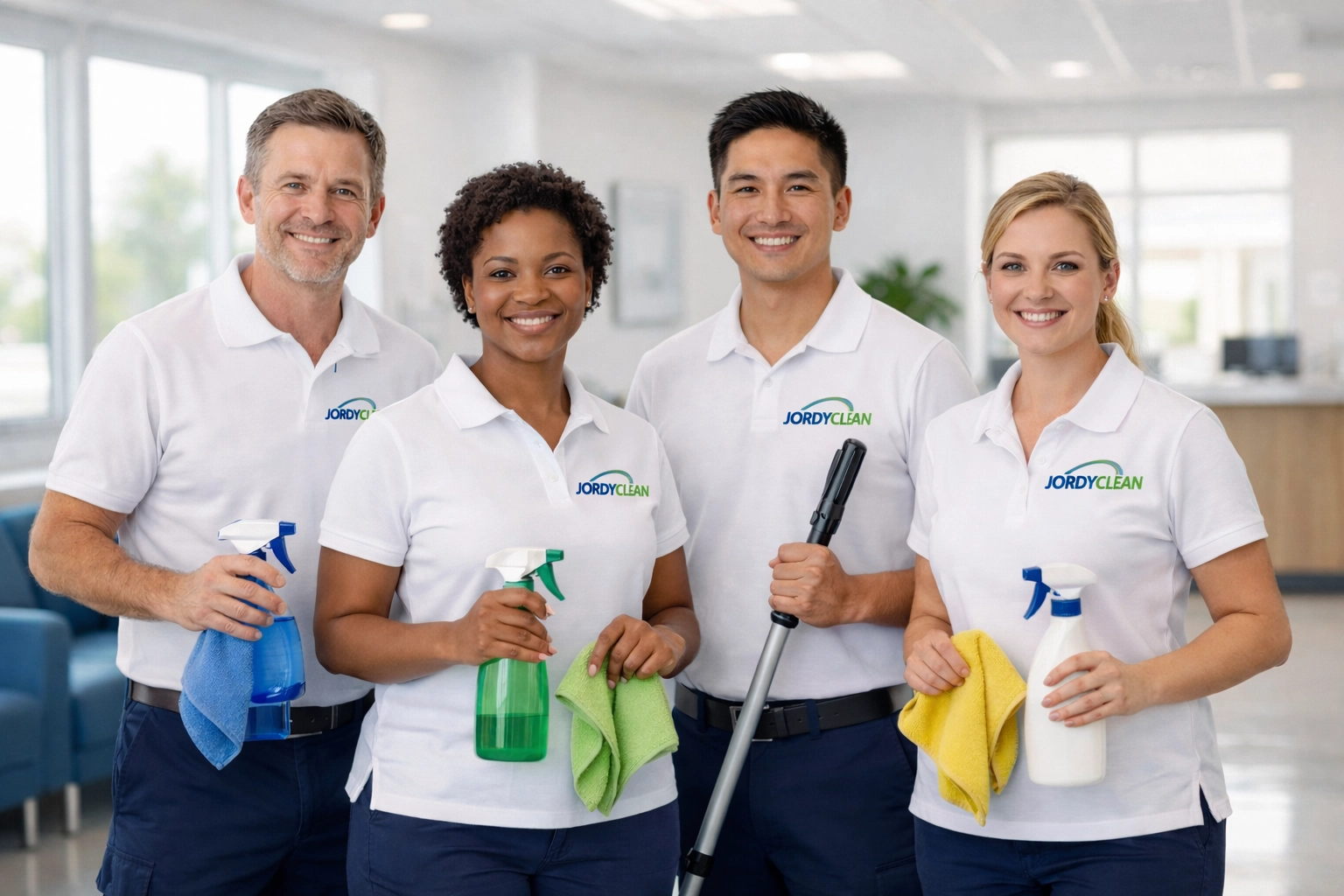
In-house training programs produce consistent results. JordyClean trains every team member directly without relying on subcontractors. This ensures our staff understands medical-grade disinfection standards, knows which EPA-registered disinfectants to use in patient care areas, and follows proper contact times for effective pathogen elimination.
Companies that subcontract their work cannot guarantee training consistency. You get different crews with varying skill levels and no accountability for specialized healthcare protocols.
Question 2: What Insurance Coverage and Licensing Can You Provide?
Medical facilities require substantially higher insurance coverage than standard commercial properties.
Healthcare cleaning involves unique risks including patient data exposure, medical waste handling, and potential cross-contamination incidents. Your cleaning company's insurance protects your practice when accidents occur.
Verify these coverage levels before signing any contract:
- $2-5 million in general liability insurance minimum
- $1-2 million in professional liability coverage
- Workers compensation insurance for all staff
- Cyber liability insurance for data breach protection
- Current business licensing for Bergen, Passaic, and Hudson Counties
- Bonding coverage for employee theft protection
Request documentation upfront. Legitimate medical cleaning services provide certificate of insurance copies immediately. Companies that hesitate or delay likely lack adequate coverage.
Insurance gaps leave your practice financially exposed. If an uninsured cleaning employee causes property damage, suffers a workplace injury, or accidentally compromises patient information, your medical practice becomes liable.
Question 3: How Do You Ensure Compliance with Healthcare Regulations?
Medical office cleaning intersects with multiple regulatory frameworks that standard cleaning companies ignore.
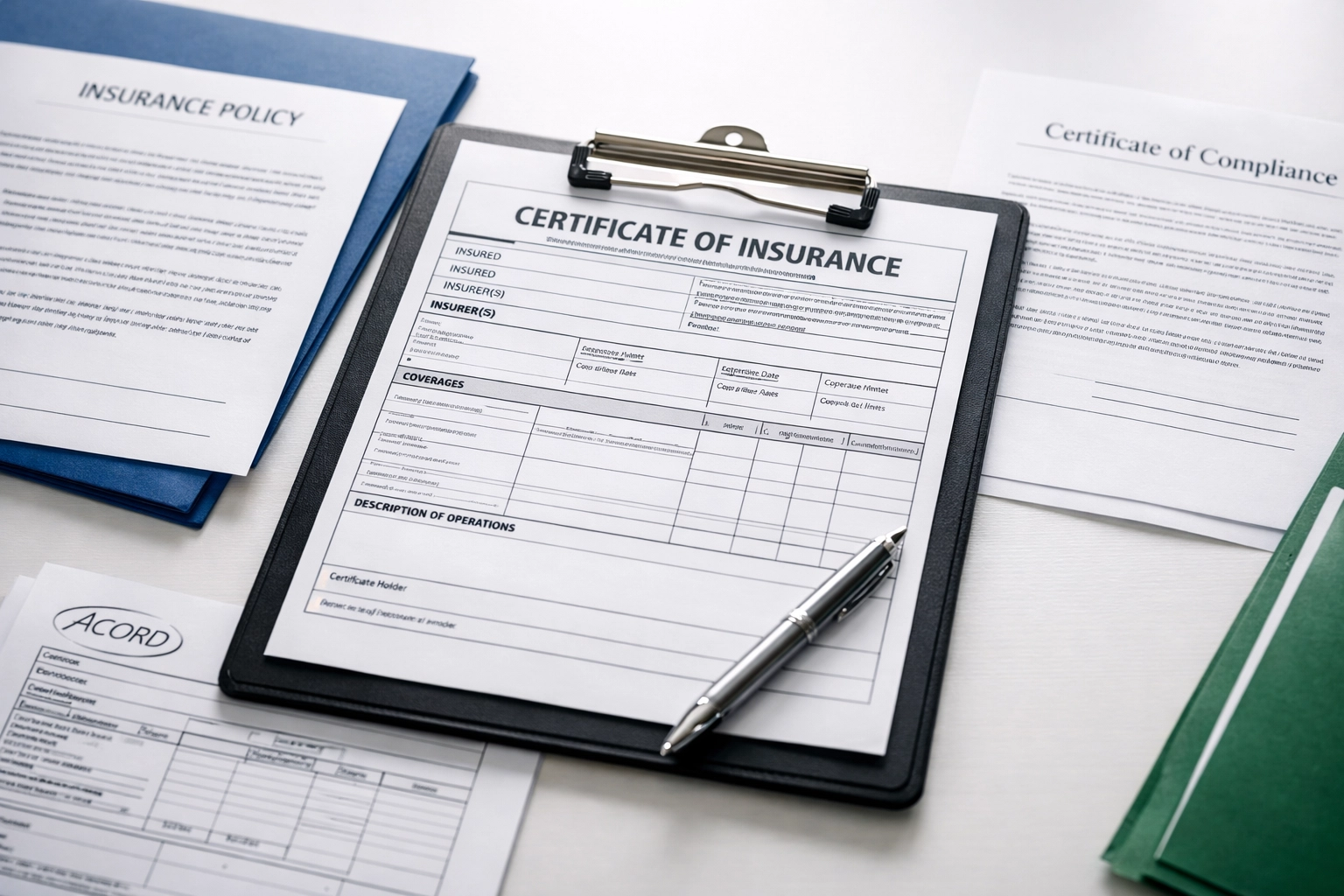
Healthcare facilities in Northern NJ must comply with OSHA regulations, CDC guidelines, state health department requirements, and sometimes HIPAA privacy rules. Your cleaning service becomes an extension of your compliance program.
Ask potential providers to explain their regulatory compliance approach:
- OSHA hazard communication protocols for cleaning chemicals
- CDC surface disinfection guidelines for healthcare settings
- Proper medical waste identification and handling procedures
- EPA-registered disinfectant selection for appropriate pathogen elimination
- Color-coded cleaning system implementation to prevent cross-contamination
- Documentation and verification processes for cleaning activities
Different medical areas require different disinfection levels. Exam rooms, waiting areas, and administrative spaces each need specific cleaning protocols. Companies that apply one-size-fits-all approaches fail to meet healthcare sanitation standards.
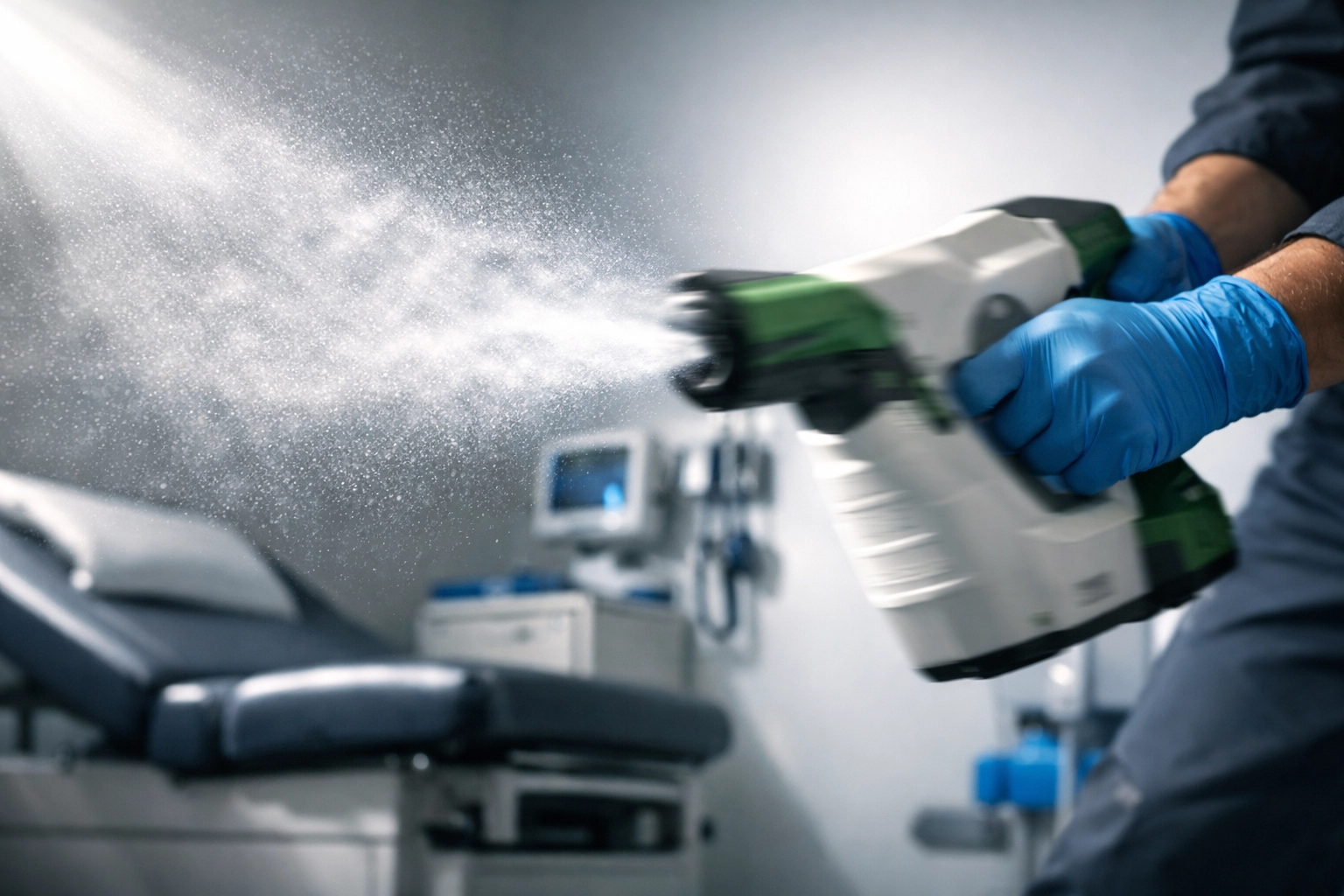
JordyClean uses specialized disinfection methods including electrostatic spraying technology for comprehensive surface coverage. This ensures high-touch surfaces in patient care areas receive proper pathogen elimination without leaving residue that could harm sensitive medical equipment.
Fast communication matters during compliance issues. When health inspections occur or outbreak situations arise, you need immediate response capability from your cleaning partner.
Question 4: Can You Provide References from Other Medical Facilities?
Past performance with healthcare clients reveals whether a cleaning company truly understands medical office requirements.
Generic commercial cleaning companies list offices, retail stores, and warehouses as references. Medical cleaning specialists provide contact information for dental practices, physician offices, urgent care centers, and other healthcare facilities.
Request and actually contact these references:
- Ask about consistency in cleaning quality and staff professionalism
- Verify whether the company responds quickly to urgent cleaning needs
- Confirm whether they follow specialized healthcare disinfection protocols
- Check if they maintain the same trained staff or constantly rotate crews
- Inquire about communication responsiveness and problem resolution
- Determine if they understand medical office scheduling requirements
Medical facilities have unique scheduling demands. Cleaning must occur outside patient hours without disrupting morning setup or evening closing procedures. Companies experienced with medical offices understand these timing requirements.
References reveal whether cleaning companies actually deliver on their promises. A provider that claims healthcare expertise but cannot provide satisfied medical facility references lacks credible experience.
Check online reviews specifically from healthcare clients. Generic positive reviews from retail businesses do not demonstrate medical cleaning competency.
Question 5: What Does Your Service Agreement Include and What's Your Emergency Response Capability?
The cleaning contract defines your legal protection and the company's accountability when problems arise.
Vague service agreements create confusion about scope, frequency, and quality standards. Detailed contracts specify exactly what gets cleaned, how often, and to what standard.
Ensure your service agreement addresses these critical elements:
- Specific services included for each area of your medical facility
- Cleaning frequency schedules for exam rooms, waiting areas, restrooms, and administrative spaces
- Quality standards and inspection procedures
- Insurance requirement specifications and proof of coverage
- Liability clauses defining responsibility for property damage or compliance failures
- Emergency response protocols for urgent situations
- After-hours accessibility for immediate cleaning needs
- Staff background check verification for security purposes
- Termination clauses and notice requirements
Emergency situations require immediate response. Medical offices face urgent cleaning needs from biohazard spills, flooding incidents, or outbreak situations that cannot wait until the next scheduled cleaning.
Ask potential providers about their emergency response capability:
- 24/7 availability for urgent situations
- Response time commitments for emergency calls
- Specialized equipment for biohazard cleanup
- Backup staff availability when emergencies occur during regular cleaning times

Read every clause carefully before signing. Service agreements contain legal language that defines your recourse when cleaning standards slip or problems occur. Understanding these terms protects your practice.
Companies that rush you through contract signing often hide unfavorable terms in complex language. Take time to review, ask questions, and negotiate terms that protect your medical facility.
Making the Right Choice for Your Northern NJ Medical Facility
Your cleaning service directly impacts patient safety, regulatory compliance, and your facility's professional reputation.
Medical and dental practices in Bergen County, Passaic County, and Hudson County cannot afford to treat cleaning as a commodity service. The questions outlined above separate qualified medical cleaning specialists from general cleaning companies that lack healthcare expertise.
JordyClean specializes in medical office cleaning with trained in-house staff, no subcontractors, and specialized disinfection protocols designed specifically for healthcare environments. Our team understands Northern NJ health regulations, responds quickly to urgent needs, and maintains the sanitation standards your patients expect.
Ready to discuss your medical facility's cleaning needs? Contact our team for a customized cleaning plan that meets healthcare compliance requirements and protects your patients. Email contact@jordyclean.com or visit our medical cleaning services page to learn how we serve medical practices throughout Northern New Jersey.
